Exciting Research Findings: BP157
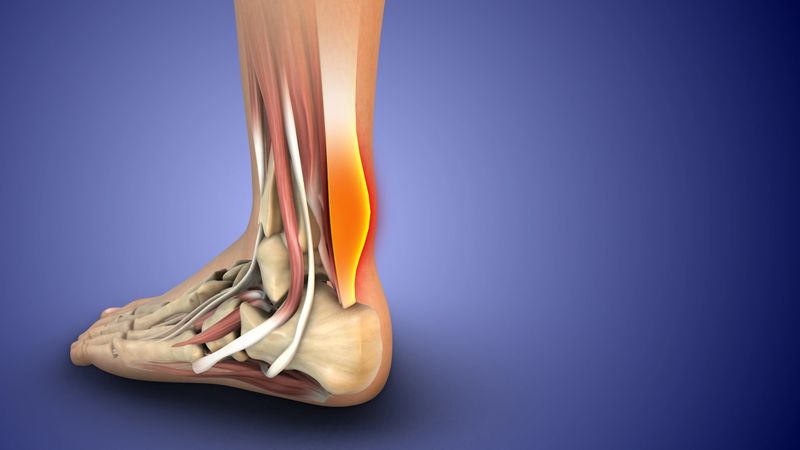
This study on rat Achilles tendon fibroblasts demonstrated that BPC-157 (at 0.1–0.5 μg/mL) dose- and time-dependently boosted growth hormone receptor (GHR) expression up to 7-fold, amplifying growth hormone's proliferative effects via the JAK-STAT pathway, with enhanced cell growth and signaling. It suggests BPC-157's promise for accelerating tendon regeneration in injuries\.
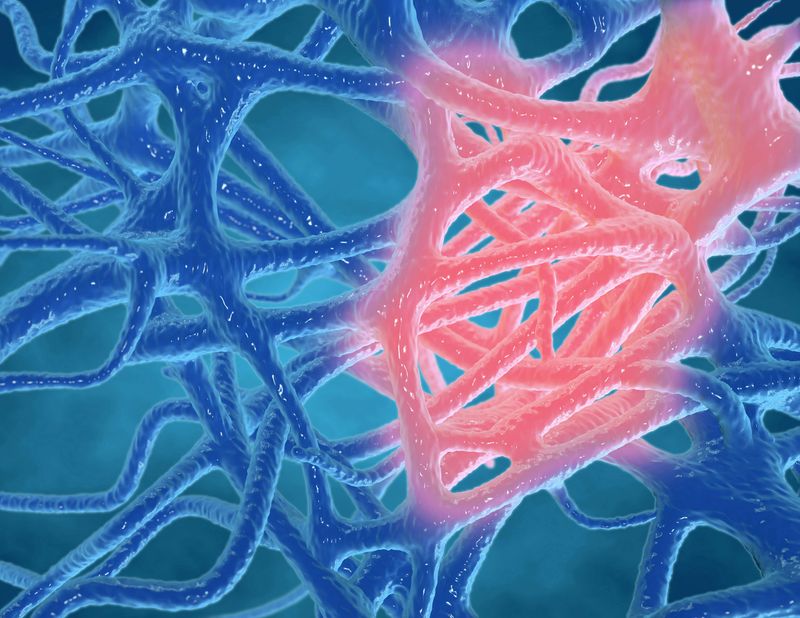
This review synthesizes preclinical and clinical data showing Thymosin β4 (TB-500) enhances angiogenesis, cell proliferation, and anti-inflammation via pathways like PI3K/Akt and NF-κB, reducing infarct size in heart models, accelerating wound healing in skin and cornea, and alleviating fibrosis in liver/kidney.

This systematic review of 36 studies showed BPC-157 promotes angiogenesis, cell growth, and inflammation reduction (e.g., lowering IL-6 and TNF-α) in models of muscle, tendon, ligament, and bone injuries, improving functional outcomes like Achilles tendon healing in rats and knee pain relief in humans.
Exciting Research Findings: CJC-1295 & Ipamorelin

This review the peptides synergistic potential, highlighting sustained GH increases from CJC-1295 (2–10-fold for days) and pulsatile spikes from Ipamorelin, with promising outcomes for muscle growth, fat loss, sleep improvement, and injury recovery in healthy adults.
This overview synthesizes emerging trial data on the combination, reporting significant gains in lean muscle mass, strength, physical performance, and metabolic health in older adults, attributed to optimized GH secretion patterns with minimal side effects like cortisol elevation.

This comparative analysis explores their complementary mechanisms—CJC-1295 for prolonged GH elevation and Ipamorelin for acute pulses—suggesting robust benefits for body composition (fat reduction and muscle/bone gains) when combined.
Exciting Research Findings: Retatrutide

This New England Journal of Medicine study showed that weekly retatrutide doses up to 12mg led to an average 24.2% body weight reduction over 48 weeks in adults with obesity, with all participants in higher-dose groups achieving at least 5% weight loss.

Published in The Lancet, this trial demonstrated that retatrutide doses up to 12mg improved glycemic control (reducing HbA1c by up to 2.02%) and achieved dose-dependent weight loss of up to 16.94% over 36 weeks in adults with type 2 diabetes, with a safety profile similar to other GLP-1 agonists.
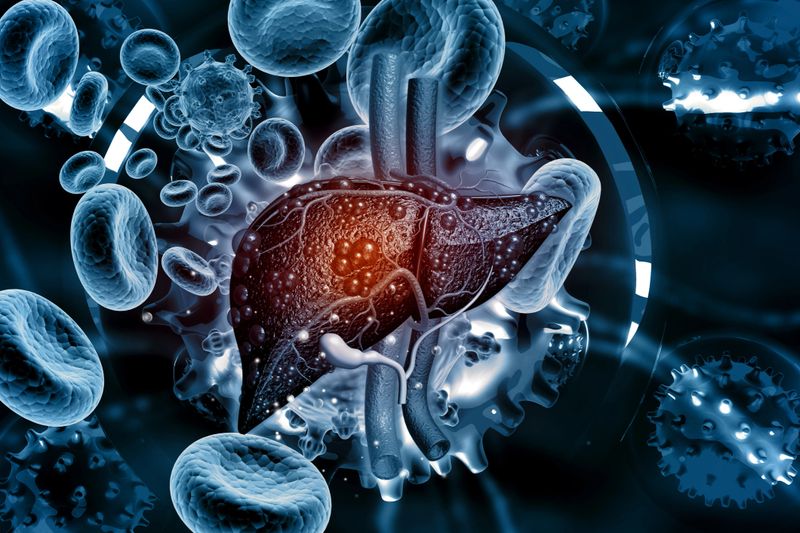
This Nature Medicine trial found that retatrutide reduced liver fat by up to 82% over 48 weeks in participants with obesity and liver disease, alongside improvements in insulin sensitivity and metabolic markers, supporting its role in addressing obesity-related complications.
Exciting Research Findings: NAD+
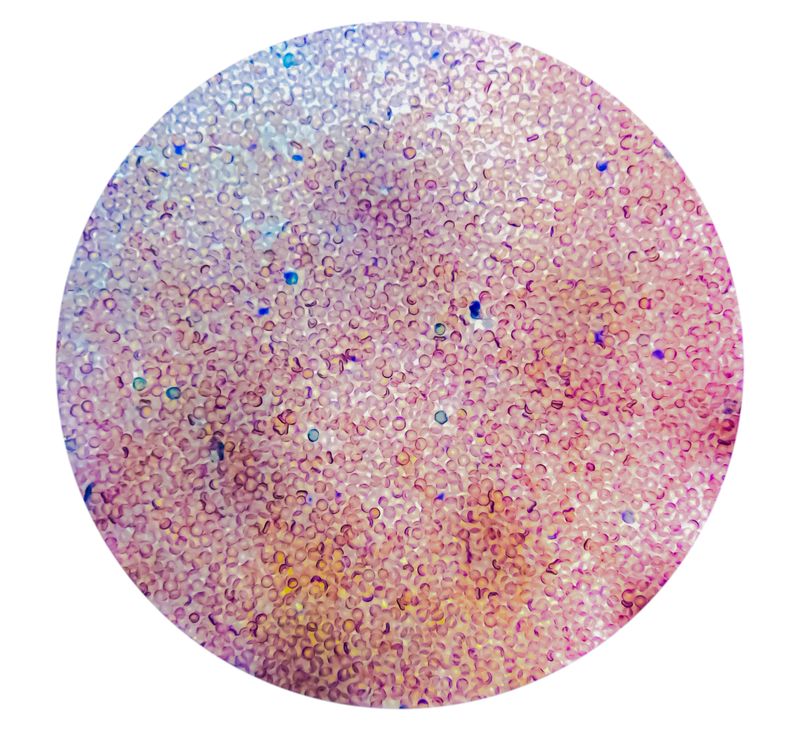
Published in 2018 in Nature Communications, this double-blind, randomized trial in healthy middle-aged and older adults showed that chronic oral nicotinamide riboside (NR, an NAD+ precursor) supplementation was safe, well-tolerated, and significantly elevated blood NAD+ levels (up to 60% increase), with potential benefits for blood pressure and arterial health, laying foundational evidence for NAD+ boosting in humans.
This comprehensive review details how age-related NAD+ decline drives metabolic/neurodegenerative diseases and cancers, while upregulation (e.g., via precursors) prevents this and extends lifespan in model organisms.

Published in 2022 in npj Aging, this randomized trial showed that 12 weeks of oral NMN (250 mg/day) significantly elevated blood NAD+ levels and related metabolites in older men, with improvements in muscle function and potential enhancements in energy metabolism pathways, supporting NAD+ restoration for age-related energetic decline.
Exciting Research Findings: Semaglutide

Published in 2021 in the New England Journal of Medicine, this pivotal trial in 1,961 adults with overweight or obesity (without diabetes) showed that once-weekly subcutaneous semaglutide plus lifestyle intervention led to a mean 14.9% body weight loss at 68 weeks (vs. 2.4% with placebo), with 86% achieving ≥5% loss and superior improvements in cardiometabolic risk factors, establishing it as a game-changer for obesity management.
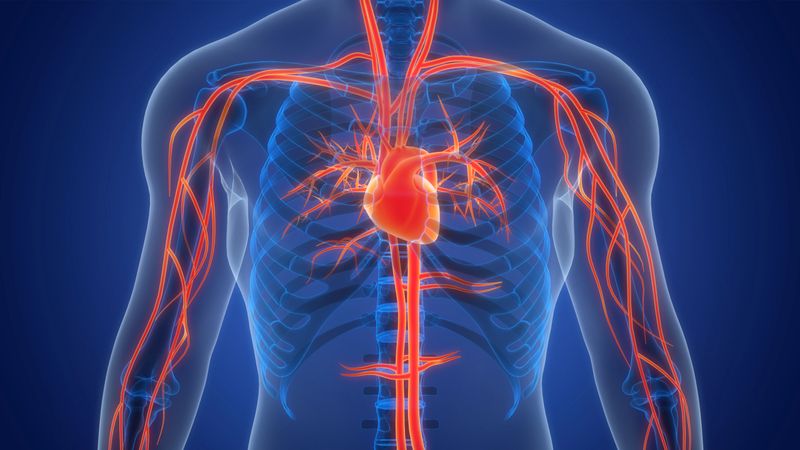
Published in 2023 in the New England Journal of Medicine, this large cardiovascular outcomes trial in 17,604 patients with preexisting CVD and overweight/obesity (without diabetes) demonstrated that semaglutide reduced major adverse cardiovascular events (CV death, nonfatal MI, or stroke) by 20% vs. placebo over ~40 months, extending CV protection beyond diabetes populations.
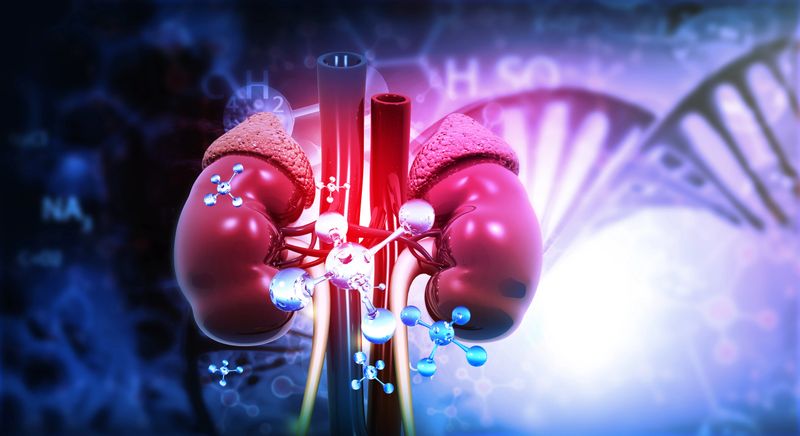
Published in 2024 in the New England Journal of Medicine, this trial in 3,533 patients with type 2 diabetes and CKD showed semaglutide reduced the risk of major kidney events (e.g., kidney failure, ≥50% eGFR decline) and CV death by 24% vs. placebo over 3.4 years, with benefits on eGFR slope and secondary CV outcomes, positioning it as a renoprotective therapy.